|
Hey guys, Coach Lindsey here. Over the last couple of months I’ve talked a lot about how keeping your meals simple and not over-complicating your meals can make eating healthy a much easier task. But this month I want to dive a little deeper into what good food choices actually look like because it’s not always as easy as “this food is healthy.. and this other food isn’t”. There’s a spectrum. Some foods are so far on one end of the spectrum that we can easily point at it and say “that isn’t going to bring me any nutritional value what so ever” and that food item can be something like a donut or a slice of pizza. I think we all pretty much have that end of the spectrum down, wouldn’t you say? So let’s move to the other end of the spectrum — the side you will see all of the whole food sources. When navigating the spectrum of food choices, honor the 80 percent rule; eat at the highest end of the spectrum whenever possible, but
don't stress or obsess about perfection. Locally grown vegetables and fruits are the most nutritious, while organic animal products have greater nutritional value and fewer objectionable agents than products from conventionally raised animals. This would represent the highest end of the spectrum = quality, nutrient-dense foods. Today we’re going to look at the spectrum of vegetables, meat & poultry, & eggs so when you’re making your next trip to the grocery store, you’re loading up on the highest quality foods in these categories. Vegetables
(1 being the best quality) Locally grown, in-season vegetables from certified organic growers Locally grown, in-season vegetables from small farmers, with typically minimal to no pesticide interference Organically grown vegetables, especially for edible skins or if listed in Dirty Dozen (a guide to the fruits and vegetables most likely to be contaminated by pesticides) Conventionally grown vegetables Out of season vegetables from distant origins
Strictly limit or avoid: Conventionally grown vegetables with edible skins, or are difficult to wash Genetically modified vegetables
Meat & Poultry
(1 being the best quality) Wild-hunted animals Local, pasture-raised/100% grass-fed animals USDA-certified organic animals
Limit or avoid as budget allows: CAFO animals (agricultural enterprises where animals are kept and raised in confined situations)
Eggs
(1 being the best quality) Pastured: One of the most nutrient-dense foods on the planet. Unlike other premium animal products, you might even find yourself paying less than a supermarket dozen for the very best eggs Organic: Pesticide-free food and some access to the outdoors - a good second choice Omega-3: Raised on a sub-optimal grain-based diet, but a good choice in the absence of pastured or organic options Conventional: Still a great option for regular consumption if you can't find a premium egg
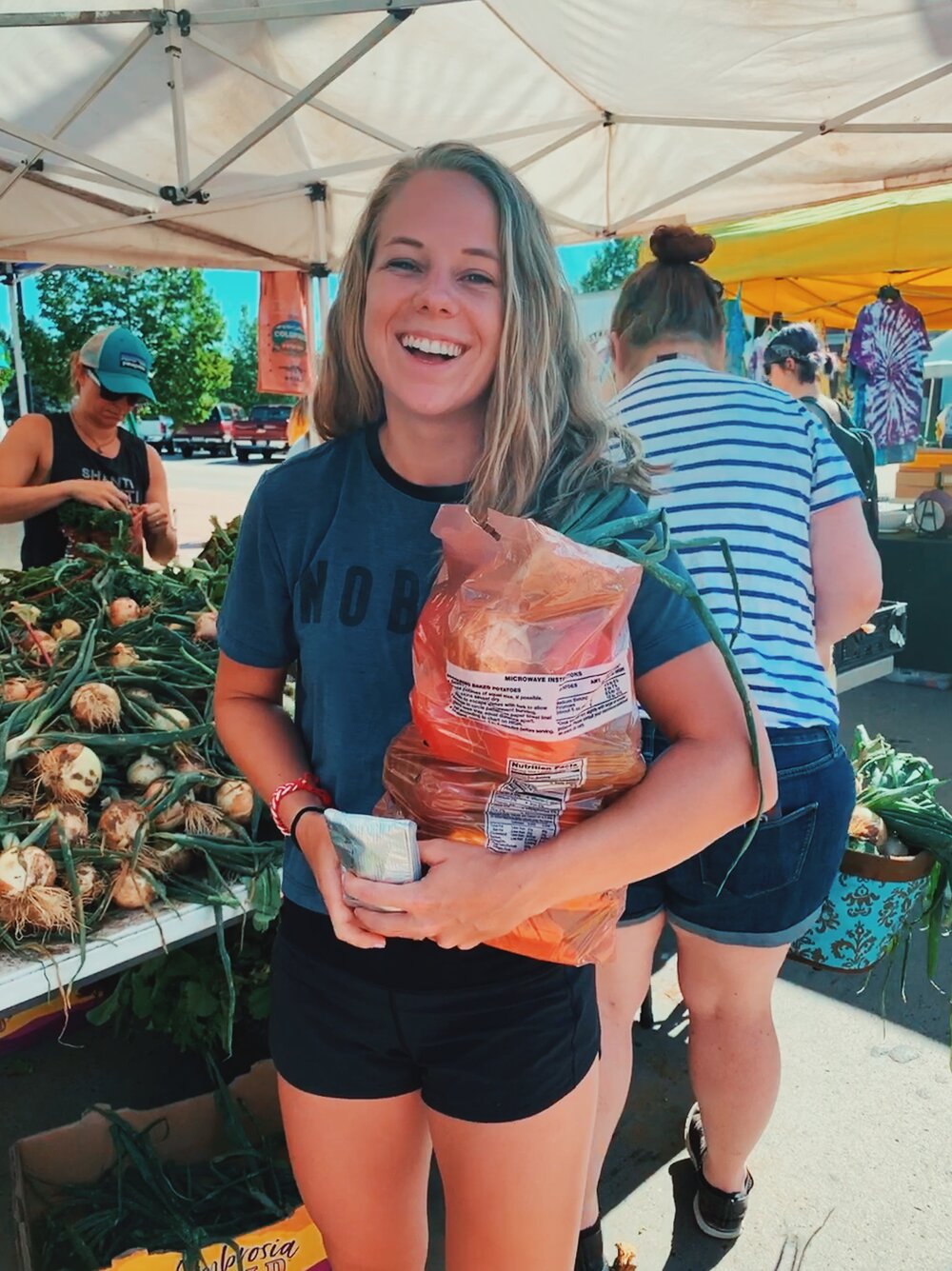
Tag @LionsDenSMP on social media during your next farmers market or grocery store haul and show us what you got! 🙂
|