$$PLAIN_TEXT_PREVIEW$$

THE PRIDE

LIONS DEN SMP MONTHLY NEWSLETTER

MARCH 2022 | ISSUE 40


#QUOTEOFTHEMONTH

A message from Founder and Owner, Coach Tristan Mitchell:

When you come into Lions Den SMP the first place you will start is with a complementary 1-on-1 movement assessment. Our entire team of coaches are certified movement and mobility specialists, and this assessment allows for the coach you are working with to gather insight into your current movement patterns and strategies. We will find things that you are doing well and aspects of your movement that can be improved upon. The goal here is not perfection but rather to work towards optimizing your movement so that you can perform any lift and feel confident that you are doing it in a way that is going to both feel good and increase the performance of the lift. This is why we argue that the foundation of your strength training approach should be establishing the best movement practices and strategies. Doing so puts you in the most stable and optimized positions to handle the various loads, speeds, and demands of rigorous training.

Now this isn’t to say that we never see a back tweak, knee pain, shoulder soreness, or any of the other aches and pains at LD that can arise from challenging your body. Those things happen to all of us, but it doesn’t mean we should give up the pursuit of further optimizing our movement patterns. The more practice we put in the more we mitigate the likelihood of those tweak and pains occurring. Sometimes we need to go back and adjust our movement strategy - make changes to position, lighten up the load, and slow things down so we can focus on certain aspects of the movement pattern. Adjusting the movement strategy is part of the process, part of the pursuit and it is a worthwhile one. The gym is the laboratory to work on improving your movement so you can better utilize these movement strategies in the wild.

That’s the fundamental goal of focusing on movement in the gym first and foremost – to connect the movement dots to your life outside of the gym. We all know people who have “thrown out” their back doing something that was seemingly benign. That “thrown out” back is your body screaming to you that your current movement strategy for picking up your laundry basket isn’t working anymore. When this happens many of us run to the Advil and schedule an appointment with our doctor but that’s not what our doctor is trained for. You need someone who can adequately assess your movement and begin the process of building better strategies and then strength train your way out of that pain.

(Side note – clearly there are some injuries that do require a doctor’s visit, what I am discussing is general and nonspecific chronic pain, these things can often be a result of insidious and highly repeated movements and positions that eventually erode our body’s ability to tolerate them any longer.)

That’s where LD can come in, we can help you navigate the process of building better movement and strength. The best part about an approach like this is that it translates to both sports performance and mundane daily tasks. We have had countless experienced lifters and fitness junkies come into LD and benefit from the watchful eye of an LD coach. Our team prides itself on being movement nerds and we love to help people put together the puzzle that is optimizing their personal movement. Whether you want to train to lift more weight, run, ride, or swim a race, play a sport, ski all day, go for a hike, go hunting, or just plain get through your day with the best physical performance you can achieve, then looking at your movement strategies is a no brainer, and we are here to help. Contact us today!


Nutrition Therapy Services with Coach Tammy

Tammy Damrath is a Nutritional Therapy Association Functional Nutrition Therapy Practitioner, a Restorative Wellness Solutions Level 1 Practitioner, a Precision Nutrition Level 1 Coach and a NASM Nutrition Specialist along with being a NASM Certified Personal Trainer, an ACE Group Fitness Instructor and a 200-Hour Registered Yoga Teacher.

Tammy is now offering some new Nutrition Therapy Services at Lions Den, check out below for how Tammy can help you with your health and nutrition goals!

Nutrition Therapy Services Offered at Lions Den:

Complimentary Nutrition Therapy Consultation - Complimentary

30-Minute, In-Person Consultation includes evaluation of client nutritional goals and overview of how nutrition therapy works at Lions Den.  Does not include comprehensive review of comprehensive Food & Mood Journal, Nutritional Assessment Questionnaire or a hands-on Functional Clinical Assessment.

Intensive Individual Nutrition Therapy Consultation - $180

90-Minute, In-Person Consultation with Functional Clinical Assessment and review of Food & Mood Journal and Nutritional Assessment Questionnaire.  Consultation includes written 3-Month protocol with for client to complete independently, without additional nutritionist meetings and check ins.  Cost of any recommended nutritional supplements and lab testing not included.  Intake forms must be submitted by client at least 72 hours prior to in-person meeting.  *This package is intended to be an affordable option for independent, motivated clients wanting to work at their own pace, without ongoing support.

6-Month Individual Nutrition Therapy Program - $1,200

Includes Intensive Nutrition Therapy Consultation services described above, as well as ongoing support and protocol revisions as needed.  In addition to the initial 90-minute meeting, this package includes two 30-minute, in-person meetings and two 15-minute phone or Zoom check ins per month.   A 60-minute in-person meeting at the 3-month mark is provided for updates to protocol.  Cost of any recommended nutritional supplements and lab testing not included in this package.  *This package is intended for clients needing more support in their nutrition therapy journey.

3-Month Individual Nutrition Therapy Program - $700

Includes Intensive Nutrition Therapy Consultation services described above, as well as ongoing support and protocol revisions as needed.  In addition to the initial 90-minute meeting, this package includes two 30-minute, in-person meetings and two 15-minute phone or Zoom calls per month.   A 60-minute in-person meeting at the end of the 3-month program is provided along with a written maintenance protocol.   Cost of any recommended nutritional supplements and lab testing not included in this package.   *This package is intended for clients needing more support in their nutrition therapy journey.

6-Week FOUNDATIONS Nutrition Group Program - $200

FOUNDATIONS Nutrition is a 6-week group program that focuses on nutritional education. Participants take part in a real-food challenge, including eliminating added sugar.   Small-group meetings are held weekly covering digestion, blood sugar regulation, fatty acid balance, nutrient deficiencies, and food sensitivities. This program does not provide specificity for the bio-individual needs of each participant.  Private nutrition therapy services may be recommended after this group program. Requires a minimum of 4 participants.

Hourly Individual Nutrition Therapy - $90

60-Minute, In-Person on-going meetings for clients who are currently participating, or have participated in Nutrition Therapy services at Lions Den.

GI-MAP Stool Test - $335

This test is a single-sample stool test collected by the client in their home and shipped via Fed Ex directly to the laboratory.  This test is provided at our cost without any mark-up or fees.  The purpose is to detect parasites, bacteria, fungi, viral pathogens, measuring both beneficial and undesirable species.  The test also provides markers to assess digestive function and overall intestinal health.  Review of test results are included in 6-month package or available for a 1-hour fee.  Laboratory testing is performed to determine dysfunction, but not to diagnose or treat disease.  Clients are advised to share their lab test results with their licensed healthcare practitioner.

MRT 170 Food Sensitivity Test - $335

This test is a single-sample blood test that the client coordinates locally for a blood draw and ships via Fed Ex directly to the lab.  Client pays the lab directly and receives our discount,  The test measures the body’s reactivity to 170 different foods and food chemicals, by evaluating mediator release (cytokines, histamines, etc) that may lead to adverse symptoms.  It measures food intolerances and sensitivities rather than true allergic responses such as IgE.  Review of test results are included in 6-month package or available for a 1-hour fee. Laboratory testing is performed to determine dysfunction, but not to diagnose or treat disease.  Clients are advised to share their lab tests with their licensed healthcare practitioner.

#CommunityEvent

Mark your calendar for Saturday, March 19th for a fun day of skiing and BBQing at Winter Park! ❄️

This is a great way to bond and hang out with the Lions Den community so we would love for you to make it. If you don't have a ski pass at WP, let us know and we can help you out.

We will definitely be sharing more details soon but if you have any questions in the meantime you can reach out to Coach Ian.


#LifestyleWithLinds!

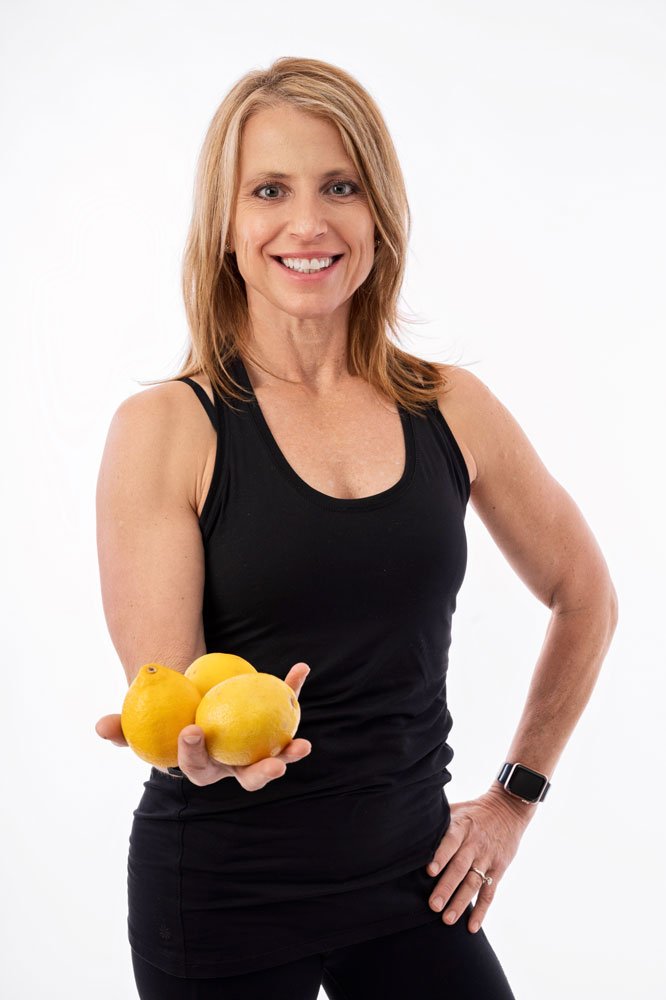
Redefining Breakfast! When you hear the word “breakfast” what’s the first thing that comes to mind? For me, I use to think of all the things I ate when I was growing up — cereal, pancakes, orange juice, toaster strudels (face palm).. pretty much anything with loads of sugar.

It wasn’t until my late twenties that my mindset around breakfast completed shifted. So, this month I want to help redefine that for you too.


First - let’s look at the word “breakfast”. It literally means “break fast”. That means that whenever you decide to eat your first meal of the day, whether it’s 6am or 1pm, it’s your breakfast and you’re breaking the “fast” you were in from sleep — I’m not sure why that was so mind blowing to me when I learned that.


Now, I’m not sure what your go-to breakfast is but my entire life I thought eggs were ONLY meant to be eaten in the morning. Why? Because eggs are a “breakfast food”. I also thought toast, bacon, oatmeal, and yogurt were considered “breakfast foods” and the thought of eating beef and vegetables, for example, for BREAKFAST would have been the strangest thought in the world to me as a kid.


Over the years, I’ve been able to enjoy a wide range of foods in the morning. Food is food. Protein is protein. Veggies are veggies. Whether you’re eating them in the morning, mid day or evening.. your body’s need for them doesn’t change.


So, this month I want to challenge you to eat non-traditional foods for breakfast like steak and veggies or a salad packed with leafy greens and protein! You may even find yourself sneaking in a lot more nutrients than you were before.


It’s time to redefine what breakfast means.

#MOBILITY

Favorite Smashing Tools by: Coach Joel

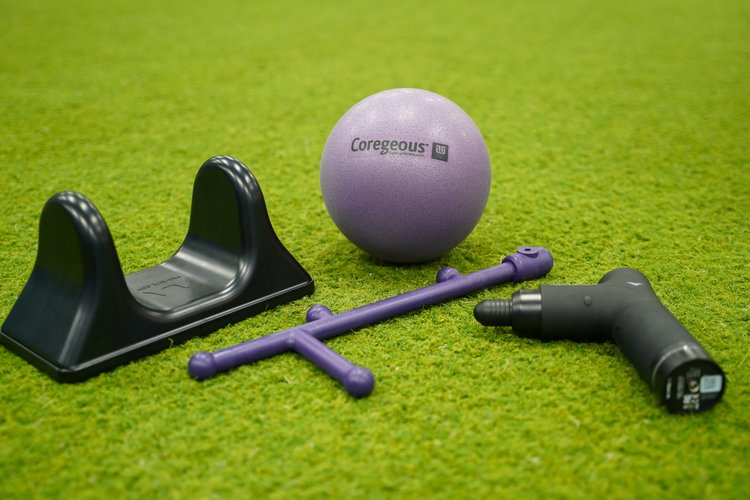
What’s up Lions, I hope you had a fun time last month using your partner smashes. This month I’m going to show you some of my favorite smashing tools, why they should become some of your favorites and when to use them to be their most effective.

Coregeous Ball - This special tool allows you to gently and safely access your innermost abdominals and work that tissue globally. Use this after a core heavy day, post runs, to improve breathing mechanics and definitely before bedtime.

Pso-rite - This tool very efficiently allows you to smash both psoas muscles in a targeted way simultaneously. Beware this can be intense when first adding into your maintenance routine leaving it to be a great option post intense exercise sessions.

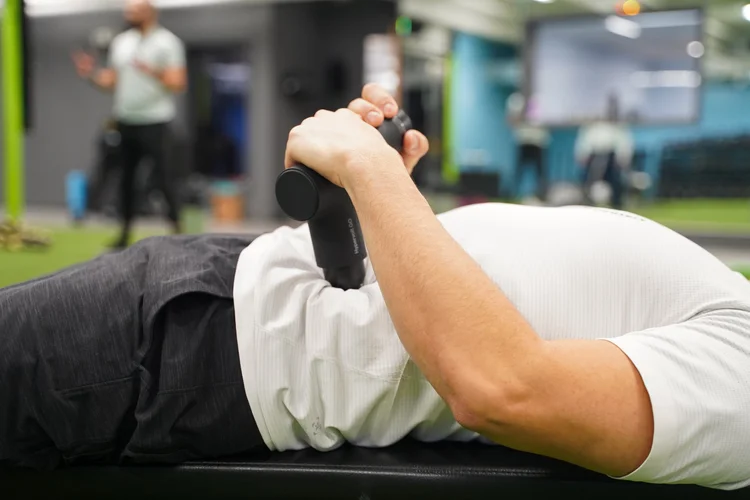
Hypervolt - There are many variations of this tool yet I prefer the quieter ones. This is a great tool to smash the psoas as well as the lower leg tissues on either side of your shins. It's super effective, versatile and can be used intra session to immediately deal with tissue restricting movement. These tools are great anytime you have a moment for self-maintenance work.

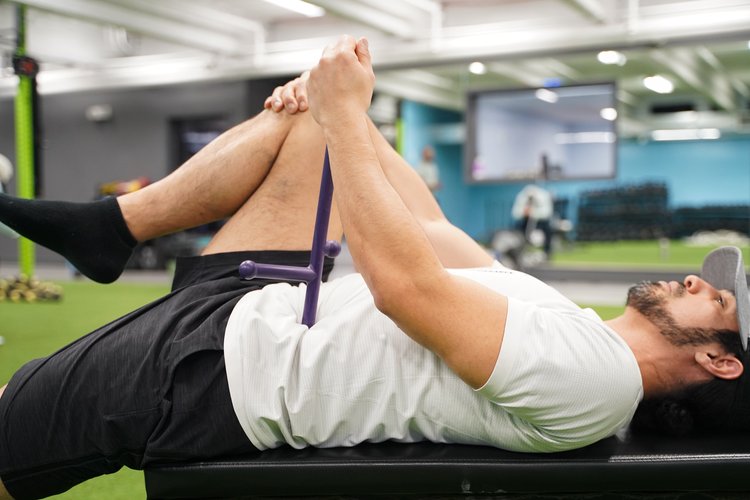
Thera Cane - This shows only the bottom portion of the entire tool which makes it easier to operate. It has some great nodules useful for breaking up trigger points in the psoas and hard to get lower leg knots. Great for post exercise, TV time and pre-bedtime.

Rumble Roller- This foam roller has firm but flexible bumps that work like thumbs helping to get into the fascia and muscle strands of the large quadricep muscles. Use this after squat day and post runs and/or pre-bedtime.

Those are just a handful of my favorites and as you may have noticed, they are versatile. Another common theme amongst them was utilizing them mostly post exercise and pre-bed time. One of the most effective times to do soft tissue work is while your body is still warm allowing for the muscles to be more pliable. Post shower or bath is also a great time to take advantage of warm muscles. Before getting into bed you can do soft tissue work to stimulate your parasympathetic nervous system, which can help improve your sleep and rest. If you have questions, issues or want help with creating a more supple body, please feel free to reach out. Let’s schedule a personalized private 30 minute session with your friendly neighborhood mobility nerd. Stay Mobile My Friends!


#PODCAST OF THE MONTH

Peter Attia’s The Drive: #190 Paul Conti, M.D. | How to heal from trauma and break the cycle of shame

Paul Conti, a returning guest on The Drive, is a practicing psychiatrist and recent author of Trauma: The Invisible Epidemic: How Trauma Works and How We Can Heal From It, in which he offers valuable insights on healing from trauma. In this episode, Paul explains how his personal experience with trauma and his many years seeing patients have shaped his understanding of trauma’s impact on the brain, its common patterns and manifestations, and how often people don’t recognize the implications of trauma in their own life. He discusses major challenges in recognizing trauma, including the lack of biomarkers in psychiatry and psychology, as well as the misguidance of the mental health system in targeting symptoms as opposed to root problems. He talks about shame as the biggest impediment to healing from trauma and offers solutions to how, as a society, we can start to change the stigma of mental health and allow more people to receive help. Finally, he concludes with a discussion about the potential role of psychedelics like psilocybin and MDMA in treating trauma.

 
Lions Den SMP
facebook instagram

Lions Den SMP, 5058 S. Syracuse St., Denver, CO 80237, USA

Unsubscribe