|
$$PLAIN_TEXT_PREVIEW$$
|
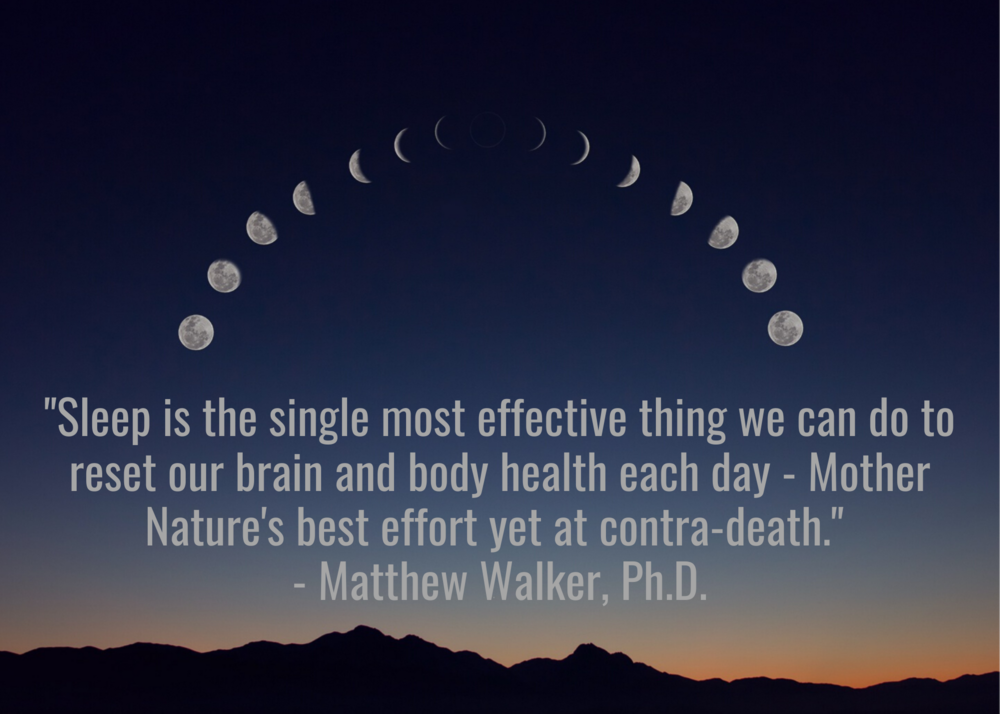
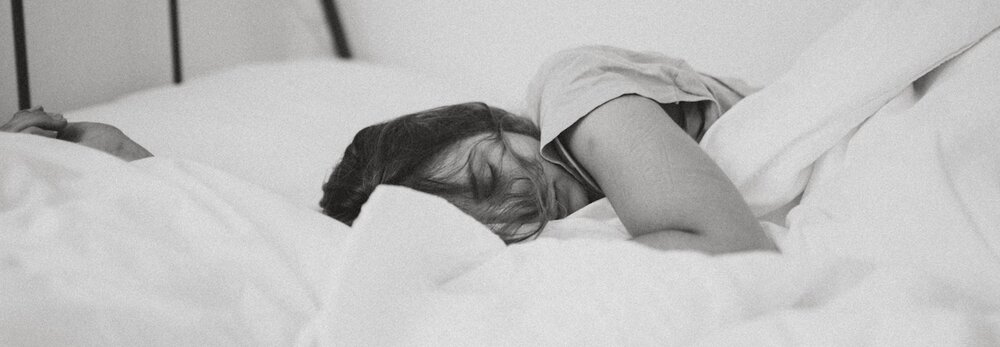
A message from Founder and Owner, Coach Tristan Mitchell: I’ve been reading a fantastic book over the past few weeks called Why We Sleep by Matthew Walker, Ph.D. It’s a fascinating, in-depth look into sleep and I can’t recommend it enough. One thing that has become painfully obvious to me is that many of us (myself included) do not prioritize sleep in the way that we should. Sleep has an impact on metabolism, mood, immune function, physical performance, brain development / health / function... the list goes on and on. It makes sense that sleep would provide so much good - why else would evolution select for a state in which we are unaware of our surroundings (and therefore vulnerable, which would have been a massive survival factor prior to the advent of civilization) for a third of everyday if it didn’t serve a hugely important purpose to our survival and health? It’s easy to put sleep on the back burner, I am certainly guilty of doing so, but for our current well-being and our longevity we should put a big premium on sleep. Sleep medications are prescribed all of the time and I won’t try to make the case against their use here (read the book for those details) but like most healthy habits in life, improving sleep doesn’t come in pill form. Here are some tips for executing on a better nights sleep. Stick to a sleep schedule - get to bed and wake at approximately the same time everyday. Don’t exercise too late in the day - make sure you have a minimum of two hours between working out and bedtime. Have a cutoff time for caffeine consumption - the earlier, the better. Afternoon caffeine can really disrupt sleep quality. Ditch the nightcap - contrary to popular belief alcohol does not help you sleep and actually does the opposite. We often confuse alcohol as a sleep aid, when in reality it simply eases us into unconsciousness, which isn’t the same as sleep. Try to create as much of a gap as possible between your last drink and bedtime. If you know me then you know I love a good tequila but we all must recognize that alcohol consumption (especially in frequent and/or large dosages) is a trade off with our health. Avoid large meals prior to bed - create some time between a big dinner and bedtime. Make sure any medications you take do not list insomnia as a potential side effect. Naps are great, just don’t take them too late. Later that 3 pm and there’s a good chance it’s going to be difficult to go to bed that night. Darken, and cool the temperature of your house - turn the TV off and do some meditation / mindfulness work, grab a book, listen to some calm music, do some soft tissue work, or whatever you prefer to calm your system down and relax prior to bed. Aim to start this process at least an hour before you want to fall asleep. Get outside - natural light exposure has proven to be a very beneficial regulator of sleep patterns. Aim to spend at least an hour outdoors everyday. Not every night needs to be a perfect execution of #1-9. Do your best to check as many of the boxes as possible and you’ll see improvements in your sleep and improving your sleep will improve your health.
If you want to learn WAY more about sleep, pick up Why We Sleep and enjoy!
|
|
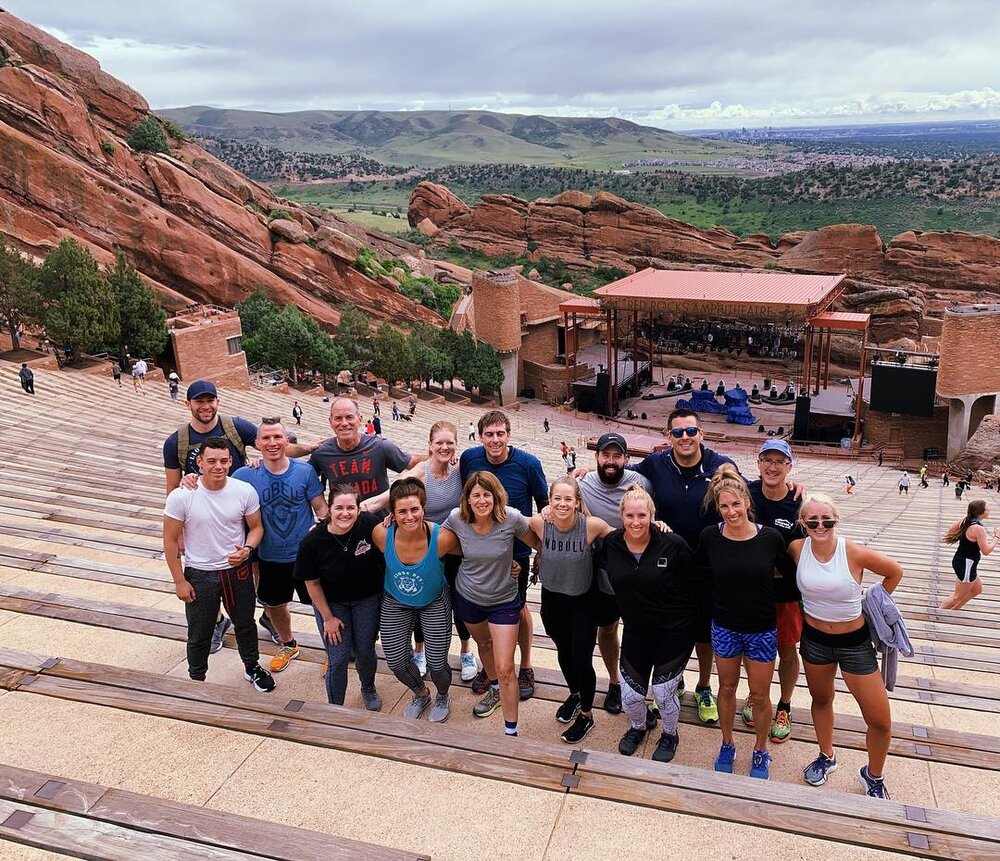
We are taking our first community event of the summer back to Red Rocks! Join the Lions Den crew for a FREE Red Rocks Workout on July 25th at 8:00 am. This event is open to everyone so bring your friends and family. Spots are limited due to group size restrictions so make sure you sign up for your spot through MINDBODY.
Come conquer this workout alongside friends and family. We will be meeting at Red Rocks 18300 W Alameda Pkwy, Morrison, CO 80465 at 7:45 am. Please make sure to bring sunscreen and lots of water. |
FROM THE FORGE WITH CRUCIBLE STRENGTH
|
|
Let’s get right to the point. Your back may not be getting any love lately. That wonderful backside above the waist that you can’t see very well in the mirror has been given a quarantine sized smack in the face. Millions of people working out at home right now have quickly realized one thing. It is a hell of a lot easier to get in pressing movements than pulling movements with minimal equipment. And hey, more power to you if you have been putting in work! You value your body, so no virus on earth was going to stop you. Respect! Strong backs are a must though for a variety of reasons. Injury prevention, improved physical performance, and killer looking aesthetics go hand in hand with a solid back. Don’t know what to do; not a problem. I have you covered. Solution # 1- Get back in the gym. This is the easiest step. Let’s not go down the path of arguing about whether we should be gathering back into gyms. I believe in your right to evaluate YOUR own risk. I’ll say this though. A topic that needs to be discussed more is what we can do to boost our immune systems. Research clearly shows that exercise and community have positive impacts on our hormones and immune response. Isolation and fear dampen it. The variety of equipment will allow you to get your back training rolling again. Solution # 2- Keep doing home workouts, but invest in a pull-up bar, dumbbells, quality bands, or a suspension system like TRX. A pull-up bar would be my favorite choice. Pull-ups are a movement that desperately needs more attention. If you couldn’t pull your body-weight up over something if you absolutely had to… that’s a problem worth fixing. The other items would be great as well. Back dominate exercises like rows and reverse flys are now in your toolbox with these items. Solution # 3- Keep doing home workouts and have absolutely no equipment. It’s not ideal, but it can be done. This isn’t an exercise instruction article, however a few examples are in no particular order: supermans, bird dogs, reverse hyper extensions using a couch, prone (lying face down) goal post to overhead reach, standing wall slides (back against wall), and body-weight isometric rows/reverse flys. The point is there are things to do! Thanks for your time and reach out to me if you want to take your back training to a new level. Be unstoppable!
|
|
Hey guys, Coach Lindsey here! I remember 3 years ago when I first started my personal training career, I would sit down with new and potential clients and attempt to explain the "complicated" and "in-depth" world of nutrition to them. If you don't know me that well, I am REALLY good at making things complicated. But here's the reality... not only are most of the things I have a tendency to over-explain not actually that complicated but nutrition isn't either. When I finally understood that nutrition doesn't need to be over-complicated with calories and perfect macros, it became easier to focus on the quality of my food and the intention behind every meal that I eat. Today's fit tip is brought to you in video form and I dive into 3 tips that will help you be a little more intentional around your food choices so you can live a happier, healthier and more balanced life.
|
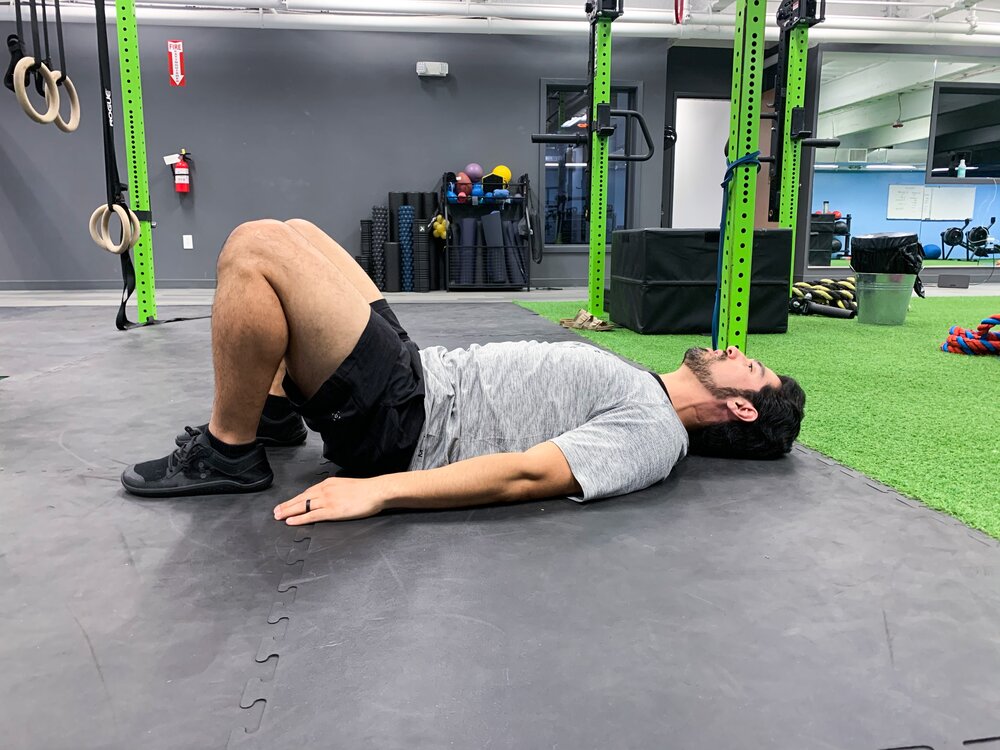
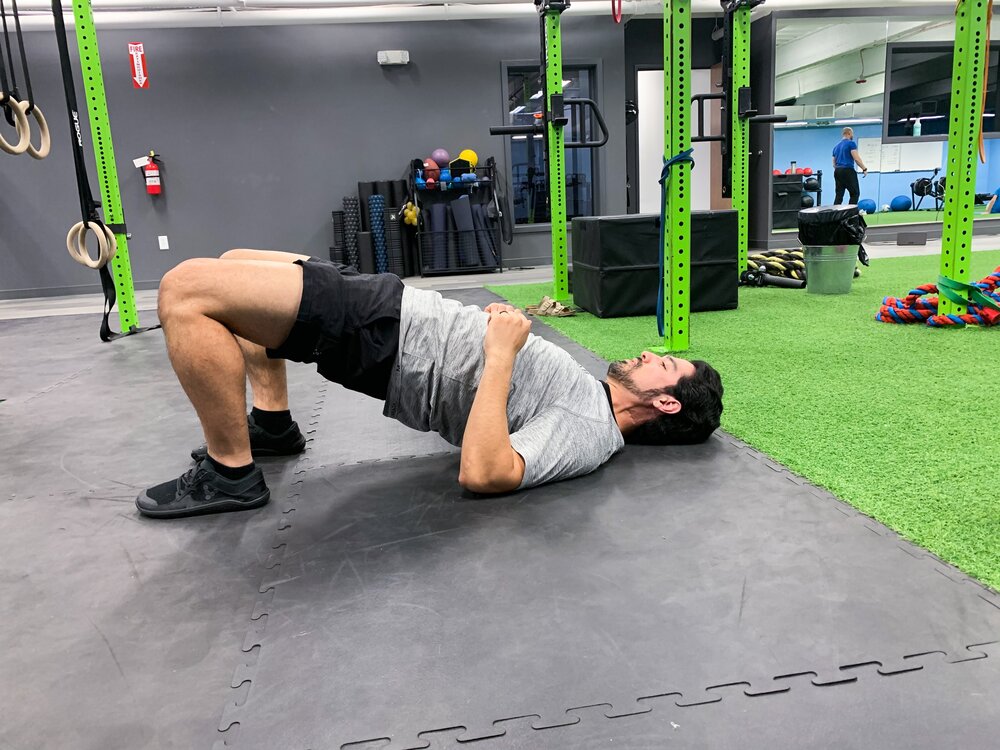
The Morning Bridge by Coach JoelHave you ever woken up feeling stiff in the neck, back, or hips? It’s extremely common no matter your age, especially considering the many types of physical demands that could have been put on the body from activity and exercise. Some other possible causes can come from hypo-hydration or prolonged periods of inactivity like standing, sitting and even sleeping. There are multiple ways to improve this all of which focus around movement. They include a morning movement routine, daily movement snacks, formal movement practice and a bedtime maintenance routine. A bedtime routine should include soft tissue work like myofascial release and lengthening exercises of target areas. Movement practice can include yet are not only limited to improving skills, strength, conditioning and performance in places like the gym. Movement snacks are quick, easy and should be done frequently anywhere throughout the day to encourage mobility. Morning routines can also be quick and easy right out of bed. Their purpose is to gently loosen up stiffness and could also be directed by any anticipated activities scheduled for the day. No matter the routine keeping it quick and simple encourages consistent habits. Consistency is the key to efficacy and feeling supple everyday. Prolonged positions sleeping such as on your side, lying on your stomach and/or partially rotated can contribute to waking up tight. One of my favorite exercises to help pacify this stiffness is the glute bridge with a diagonal reach-over. I was first introduced to variations of this bridge many years ago in wrestling and again in Brazilian jiu-jitsu, yet it's perfect for a morning movement because it does several things well. One, it helps to wake up your glutes while simultaneously restoring length, extension and motion to the front of your hips. Two, it also wakes up the torso while re-lengthening your lats and restoring motion to your thoracic spine.
|
|
1. Start by lying on your back, organizing into a hook-like position with knees bent, plus feet and knees at least hip width apart. 2. Activate the core (glutes, abs and trunk) before you bridge. |
|
1. Start by lying on your back, organizing into a hook-like position with knees bent, plus feet and knees at least hip width apart. 2. Activate the core (glutes, abs and trunk) before you bridge. |
|
3. Push through the heels and lock the hips in place at the top. |
|
|
3. Push through the heels and lock the hips in place at the top. |
|

|
4. Roll onto your shoulder and with the opposite hand simultaneously reach diagonally over the shoulder rolled onto. |
|
4. Roll onto your shoulder and with the opposite hand simultaneously reach diagonally over the shoulder rolled onto. |
|
|
5. Check and feel to make sure both hips are still extended and squared up in the top position. 6. Roll back and set hips down getting into the hook position again, then repeat on the same side or alternate sides. Gently ease into each repetition working to increase your ranges with each following rep. Do 1-2 sets of 5-10 reps per side. It’s possible to wake up supple and with minimal stiffness. Frequent daily movement is a vital part of the equation. Starting the day off with a morning movement helps nurture a healthy supple body. Keeping movement simple and consistent is essential to your success in this. Please feel free to reach out with any questions or needs you have with improving your personal mobility. I’d love to help out any way I can getting you feeling great everyday. Stay Mobile My Friends!
|
The Peter Attia Drive Podcast | Matthew Walker, Ph.D., Three Part Series on Sleep
|
#47 – Part I of III: Dangers of poor sleep, Alzheimer's risk, mental health, memory consolidation, and more. In part 1 of this 3 part series, Matthew Walker, professor of neuroscience at UC Berkeley and expert on sleep, describes the different stages and cycles of sleep, including what he calls the 4 pillars of sleep, and how they contribute to memory consolidation and numerous important pathways to mental health. We also get into the dangers of chronic sleep deprivation, such as the development of dementia, and the more acute dangers of sleep deprivation like fatal car crashes which are most often caused by drowsy driving. We also discuss the different and important roles of REM vs. non-REM sleep, and the impact that bad sleep habits can have specifically on those sleep stages. #48 – Part II of III: Heart disease, cancer, sexual function, and the causes of sleep disruption (and tips to correct it)In part 2 of this 3 part series, Matthew Walker, professor of neuroscience at UC Berkeley and expert on sleep, describes the preponderance of evidence linking poor sleep to cardiovascular disease, cancer, and sexual function. He also details the impact of cortisol on our nervous system contributing to sleep disturbances and insomnia as well as the efficacy and risks associated with the most common sleeping pills. Matthew also describes the sleep needs of teenagers and urgently lays the case that we should reconsider school start times. We also get into the effect of electronics at night, the efficacy of napping, the general impact of modern society on our sleep habits, and what changes we can make to course correct. #49 – Part III of III: The penetrating effects of poor sleep from metabolism to performance to genetics, and the impact of caffeine, alcohol, THC, and CBD on sleepIn the final part of this 3 part series, Matthew Walker, professor of neuroscience at UC Berkeley and expert on sleep, discusses the omnipresent effects of insufficient sleep on everything from metabolism, appetite, athletic performance, decision-making, productivity, leadership, mental health, genetics, memory, and more. We also discuss the impact of caffeine and alcohol on sleep quality, the efficacy of sleep aids such as THC and CBD, and much more.
|
|
|
|
|