A message from Founder and Owner, Coach Tristan Mitchell:
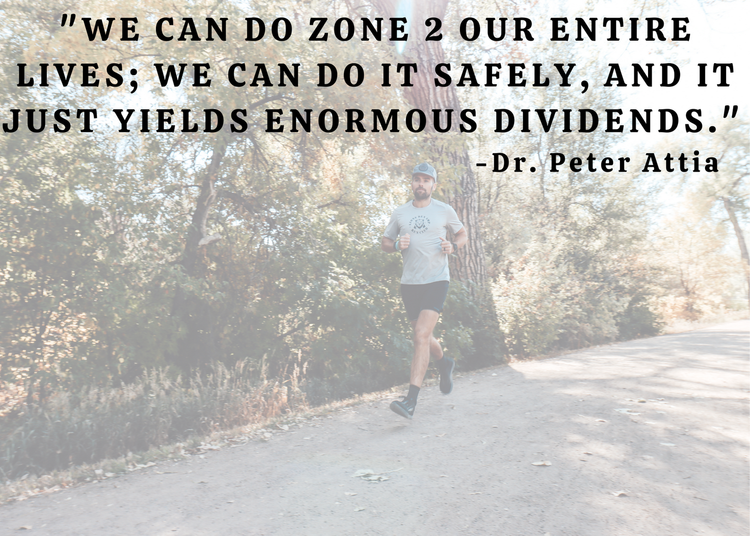
Summer is in full swing and with it the outdoors is as inviting as ever. This month I wanted to discuss a topic that I’ve discussed before in the Pride, but I think it’s important enough to touch on again and it’s a great time of year to focus on it – that topic is zone 2 training. Zone 2 is training at your aerobic threshold, which means our energy demands are low enough that our primary fuel source is fat vs carbohydrate. By definition this is a sustainable effort level (although can still become challenging over time).
The reason training zone 2 is important is that it provides a myriad of health benefits that higher intensity training does not. Zone 2 stresses our oxidative capacity (our ability to utilize fat as the primary energy source) and helps improve mitochondrial health, function, and density. It also improves glucose disposal, so after a high carb meal your body does a better job of lowering blood glucose levels faster. Zone 2 as also been shown to increase secretion of brain derived neurotrophic factor (BDNF) which can support neuronal health and growth.
You might be wondering exactly what a zone 2 effort looks like – it is the maximal effort sustained over a consistent period of time where energy demand stays low enough to oxidize fat for energy. Think about an effort of a 3 on a scale of 1-10. The exact pacing of the workout will look different for everyone based on your aerobic fitness level but regardless of your starting point it is undoubtedly worth the investment of time and effort for all of us. The best measure of zone 2 is to test and establish your heart rate zones but isn’t absolutely necessary, there is a much simpler measurement and this is your maximal effort of output while being able to maintain a conversation.
You can accomplish your zone 2 training using any modality that you choose, just remember that your threshold is limited by your ability to maintain conversation. Brisk walking, easy running, cycling, swimming, rowing, would all be ways to train zone 2. I think a great way to train zone 2 and make sure that you stay at a conversational pace is to recruit a family member or friend to get your zone 2 training in with. This way you can spend time catching up while training for better oxidative efficiency and improving your overall health!
How much zone 2 training should you do? According to Professor and researcher Inigo San Millian you want to get at least 1 hour training bouts in at a time and aim for at least 3 times per week, so a minimum of 3 hours a week to really start to adapt and improve these systems. I would argue there is no better time of year to start this form of training than the summer months as getting outside offers the added benefit of enjoying the fresh air and sunlight.
When you combine zone 2 training with strength training and sprinkle in some high intensity work you really start to round out your total exercise strategy to maximize your health benefits. Come get your strength and high intensity in with us at LD and then get out and enjoy the sun for your zone 2! If you have any questions on how to best incorporate zone 2 training into your current routine reach out to us today, we’re here to help and make sure to check out this months podcast for more!